
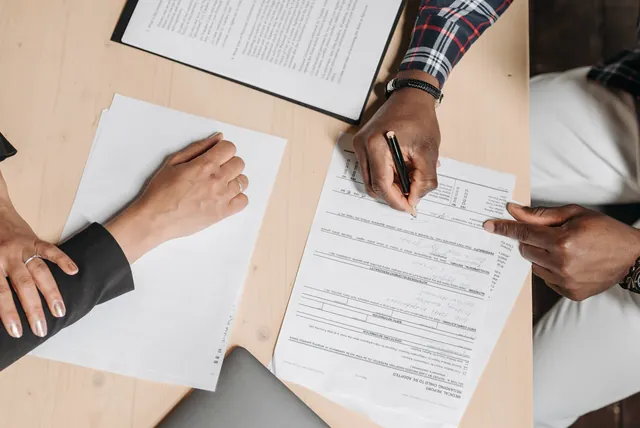
Start with the matter and the questions.
Identify the allegation or uncertainty, then gather the authorized documents that may clarify it. Invoices, receipts, statements and reports can describe different aspects of the same event.
Organize the material as a case so the team can examine what is supported, what conflicts and which records are missing. Agree workspace access and responsibilities before introducing client material.
Put AI to work on the documentary evidence.
AI-assisted analysis helps surface inconsistencies and propose lines of inquiry. Compare amounts, dates, identities and references within the authorized scope, then return to the documents behind each observation.
- Examine conflicting versions of an event or expense.
- Review repeated content or document similarities where the configured workflow supports it.
- Use available PDF forensic checks to add technical context to a document question.
Give a second reviewer something they can follow.
A finding should make its source and reasoning clear. Source-linked reports help another lawyer or investigator examine the same material and understand which questions remain unresolved.
Keep an observed discrepancy separate from an AI hypothesis and from the legal conclusions your professionals draw. A technical anomaly or a changed file does not establish fraudulent intent by itself.
Built with the practice behind the investigation.
TrueDoc Legal contributes AI and document technology. Estudio Carvallo contributes institutional knowledge and experience in insurance and legal investigations. The product is being developed together around how professionals examine cases.
The starting point is the evidence supplied to the case. The scope of checks, document types, languages and any external verification is agreed for the workspace.
Evaluate it with your investigation team.
Bring a lawyer who reviews the findings, an investigator who works with the documents and the person responsible for data access. Use an authorized sample with known inconsistencies and legitimate explanations.
- Can a reviewer trace each useful finding to its source?
- Does the report distinguish evidence, interpretation and open questions?
- Which readings or AI findings require correction?
- Are access, data handling and the agreed analysis scope suitable for the matter?